
When to Worry About Varicose Veins | Signs, Symptoms & Care
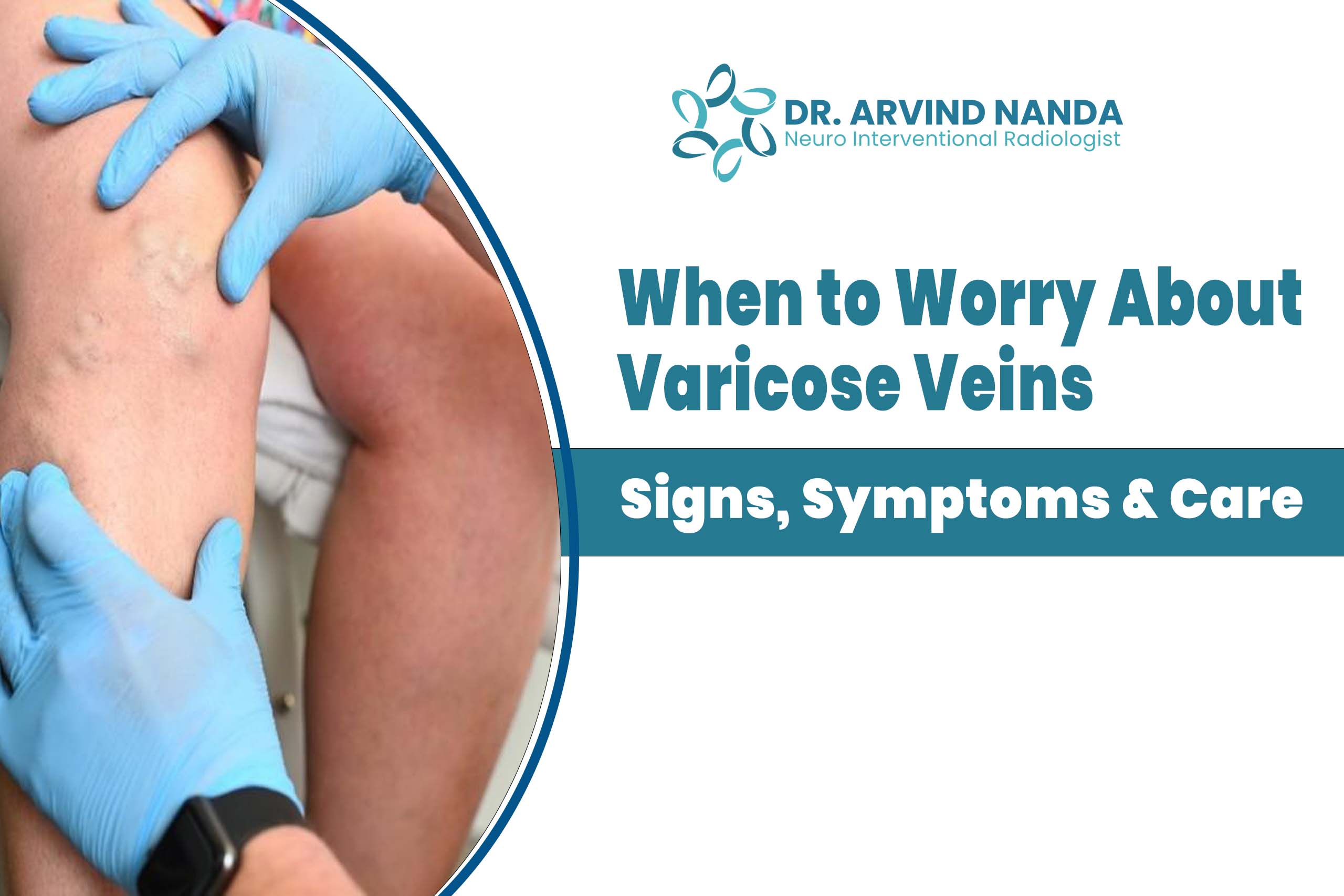
Many people see blue or purple lines on their legs. Some are thin. Some are thick. At first, they may not hurt. They may look different. Because of this, many people ignore them. But sometimes, these veins are a sign that the legs need care.
Not every vein problem is severe. Still, some signs should never be ignored. Knowing the difference helps people stay safe and healthy.
Why Veins Change Over Time
Veins carry blood back to the heart. The blood has to move upward from the legs. Inside the veins are small parts that help blood move in one direction. When these parts weaken, blood can slow.
When blood stays in one place for too long, the vein becomes larger. It may twist. It may rise above the skin. This is how varicose veins slowly form.
Age plays a role. Standing for long hours also adds pressure. Weight gain and pregnancy can also affect leg veins.
When There Is No Need to Panic
Some people only notice changes in how the leg looks. There is no pain. There is no swelling. Walking feels normal. Sleep is not disturbed.
In such cases, worry is low. Daily movement and rest are often enough. Still, watching the legs from time to time is a good habit.
Signs That Should Not Be Ignored
Problems begin when the legs start to feel different, not just look different.
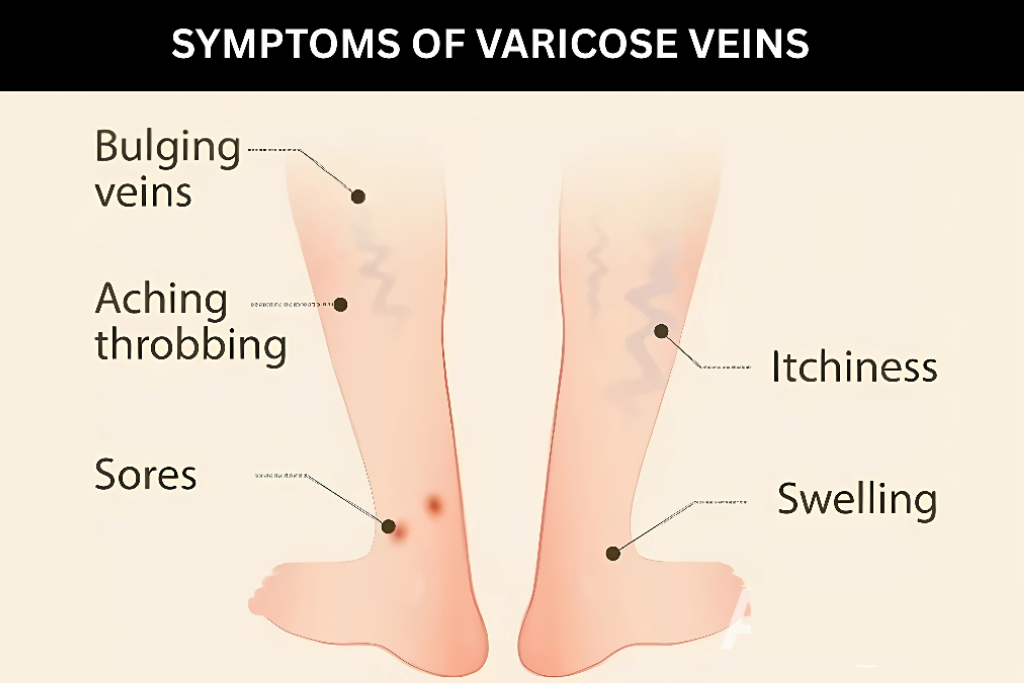
Pain That Comes Often
A dull ache after standing all day is familiar. Pain that returns every day is not normal. Pain that grows worse at night also needs attention.
Heavy or Tired Legs
If the legs feel heavy even after rest, it may mean blood isn’t circulating well. This feeling often gets worse in the evening.
Swelling Around the Ankles
Some swelling after long hours is typical. Swelling that stays even after sleep is a warning sign.
Skin Changes
Skin near the ankle may turn dark or rough. It may feel tight or itchy. These changes indicate that the skin is not receiving adequate blood flow.
Slow-Healing Wounds
Minor cuts that do not heal for weeks are severe. Open sores near the ankle should never be ignored.
Signs That Need Quick Medical Help
Some symptoms indicate that help should be sought quickly.
- Sudden pain in one leg
- Red or warm skin over a vein
- Problematic veins that hurt on touch
- Sudden swelling without injury
These signs may point to a blood clot. Early care can prevent danger.
People Who Need Extra Care
Some people face a higher risk than others.
- People who stand or sit for long hours
- People with a family history
- Older adults
- Women after pregnancy
- People who are overweight
For them, even small changes should be checked.
How Doctors Check the Problem
A doctor first listens to symptoms. The legs are checked while standing. A simple scan can reveal how blood flows through the veins. The scan is painless and quick.
Early checking helps stop future damage.
Treatment Is Easier Than Many Think
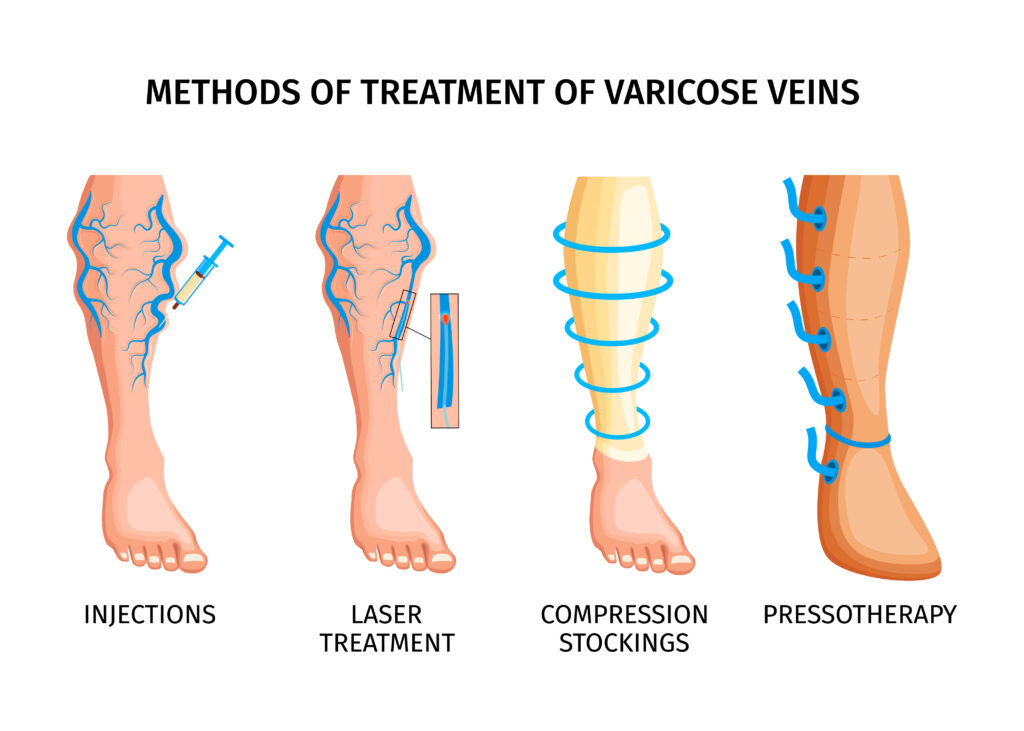
Not all cases need surgery. Many treatments are simple.
- Daily walking
- Raising legs during rest
- Support stockings
- Minor medical procedures that close weak veins
Most modern treatments are safe and allow a fast return to daily life.
Importance of the Right Specialist
Vein care needs proper training. Dr Arvind Nanda is a senior specialist with 20-plus years of experience who is a vascular and interventional radiology expert. He has worked in a number of large hospitals, among them the AIIMS, New Delhi, and Amrita Hospital at Faridabad.
His research focuses on image-guided, precise yet gentle treatments. This enables the patients to recover quickly with minimum distress. Special attention ensures the issue is not only covered but also addressed.
Simple Daily Habits That Help
Small habits can protect leg health.
- Walk every day
- Avoid standing still for long hours.
- Raise legs while resting.
- Maintain a healthy weight
- Avoid sitting cross-legged for long.
These habits help blood flow better.
Why Waiting Can Cause Trouble
Ignoring early signs of childhood diseases can lead to long-term health problems, pain, and complications. Delayed treatment often makes recovery harder. Early diagnosis in childhood is safer, more affordable, and helps prevent serious future issues.
Many childhood illnesses start quietly and worsen over time. Recognising the warning signs early can make a big difference in a child’s health and overall well-being.
Conclusion
Problems with the veins are common and they cannot be ignored. The body is trying to get an intervention which shows itself in the form of pain, swelling, skin change or in the form of wounds. With early intervention and professional care, legs are able to stay active and healthy during a number of years.
Frequently Asked Questions (FAQs)
Q1. Do all vein problems need treatment?
No. Mild cases may only need lifestyle care.
Q2. Is walking helpful?
Yes. Walking improves blood circulation in the legs.
Q3. Are skin changes profound?
Yes. They show poor blood flow and need to be checked.
Q4. Are treatments safe?
The majority of modern therapies are safe and easy to use.
Q5. When should a doctor be seen?
A physician should be consulted for pain, swelling, or changes in the skin’s appearance.
Related Posts
Stroke: Symptoms and facts
What is Stroke? Simply, a Stroke is a “brain attack”,…
Spinal-Cord Tumor Embolization Treatment in Faridabad
Tumor can grow in any part of our body, but…
Brain Blood Vessel Narrowing: What You Need to Know About Intracranial Stenosis
Think of your brain as a city with too many…