
Radiofrequency Ablation: Fast Relief for Varicose Veins
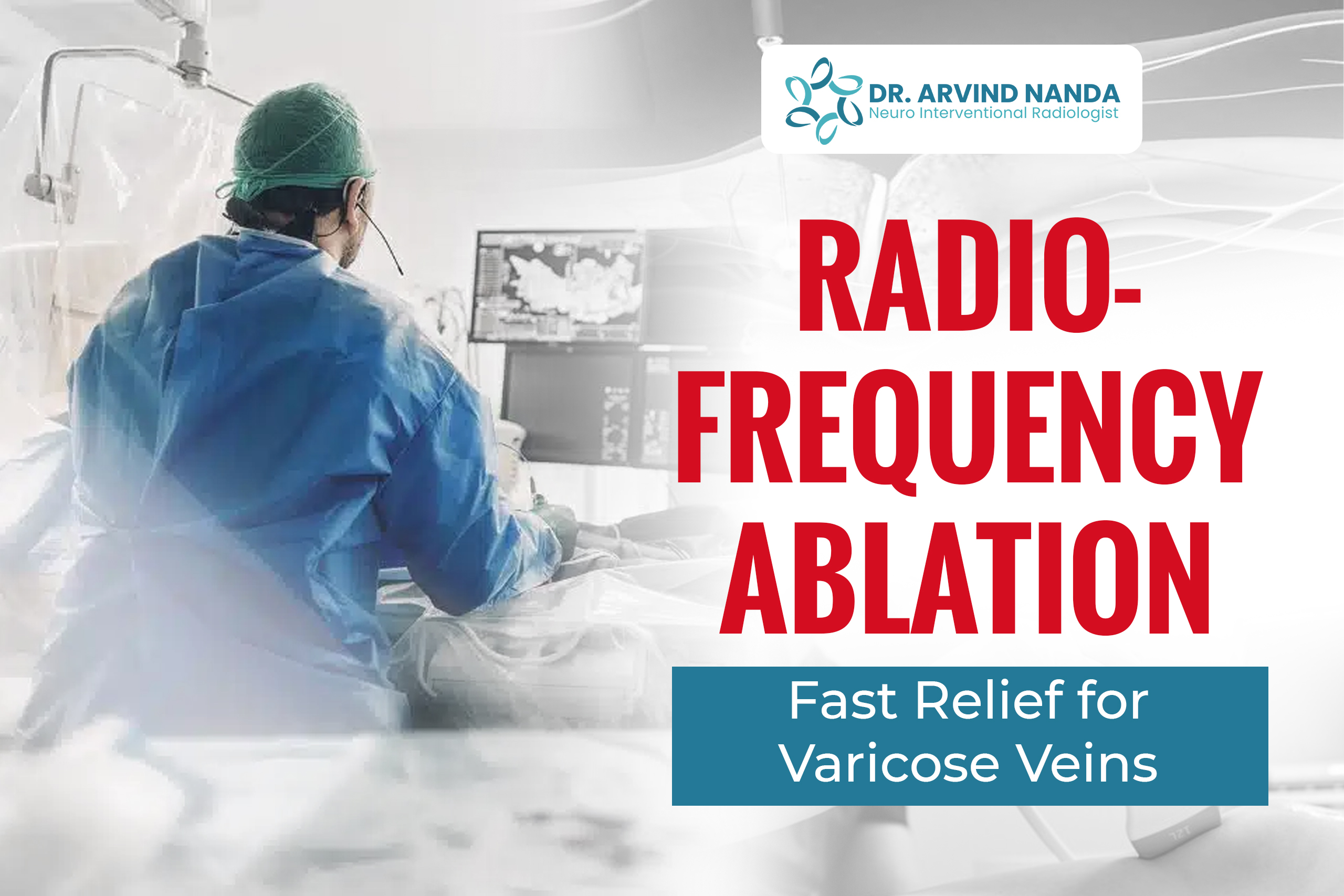
Varicose veins are a widespread problem that affects millions of individuals in the world. They usually cause pain and swelling in the legs and swollen veins, which can affect their comfort and confidence. Medical science has gone far back in time, and surgery has been the only method of treatment for them. Radiofrequency ablation varicose veins (RFA) is currently one of the most efficient and least invasive techniques to ablate varicose veins with minimum downtime.
What is RFA?
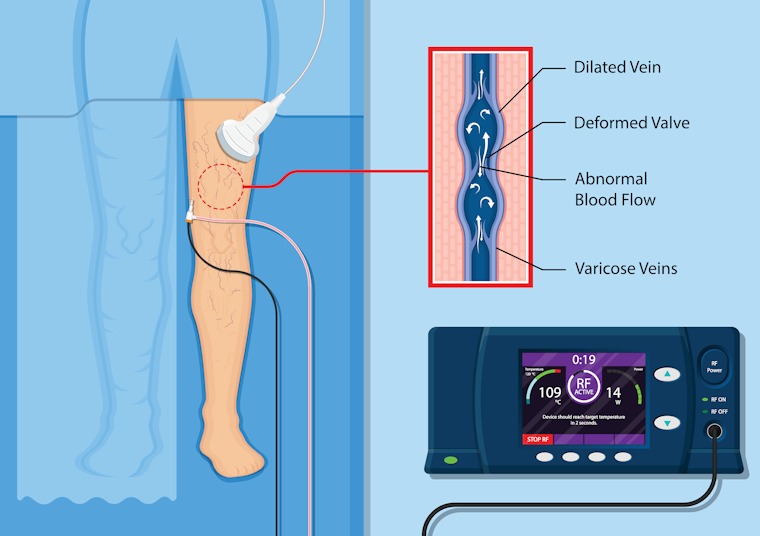
Modern treatment that involves the use of controlled heat energy to seal diseased veins is known as radiofrequency ablation. In this process a very thin tube is passed through the vein that has been affected by ultrasound into the affected vein using a fine tube known as a catheter. Radio waves heat the veins upon their placement, and the process of collapsing walls that makes the vein close up occurs.
Closing the problem vein causes the blood to reroute around healthy veins close to the problem vein. The treated vein will be absorbed by the body over time, and there will be no evidence which enhances blood flow.
Radiofrequency Ablation Indications
Radiofrequency ablation varicose veins is recommended by doctors to individuals with the following problems:
- Varicose veins causing pain, heaviness or tiredness.
- Venous reflux (bad blood circulation in veins of legs)
- The skin has discolouration or ulcers due to chronic vein disease.
- Periodic inflammation (phlebitis)
- Unsuccessful outcomes of previous treatment like injection or surgery.
According to senior interventional neuro- and vascular radiologist Dr Arvind Nanda, who has a career spanning over 20 years,
RFA has changed the treatment of varicose veins. It is as effective as surgery, or even more so, without the pain or the slow healing process.
Radiofrequency Ablation Treatment
An average RFA treatment takes approximately 45 to 60 minutes and does not involve hospitalisation. There is a glimpse of what occurs here:
Before Treatment
An ultrasound scan is done by your doctor to identify the damaged veins, which are to be treated.
During Treatment
To numb the area, local anaesthesia is administered. A tiny opening is made, and the catheter is then inserted as guided by ultrasound. Radiofrequency ablation varicose veins energy warms the vein as the catheter is slowly withdrawn, closing it.
After Treatment
A small opening is sealed with the help of some simple bandage, and a compression layer is put on to ensure the healing of the leg. The majority of human beings are able to walk out of the clinic within minutes.
Is Radiofrequency Ablation Painful?
The most commonly asked question is whether the procedure is painful or not. The positive aspect is that RFA is not very painful. Minimal pain is achieved through the use of local anaesthesia. You might even experience a certain degree of warmth or pulling, but these are short-lived and mild. Subsequently, there may be a certain level of tenderness or tightness, but it goes away soon.

Benefits of Radiofrequency Ablation
RFA has a number of apparent advantages over conventional surgery:
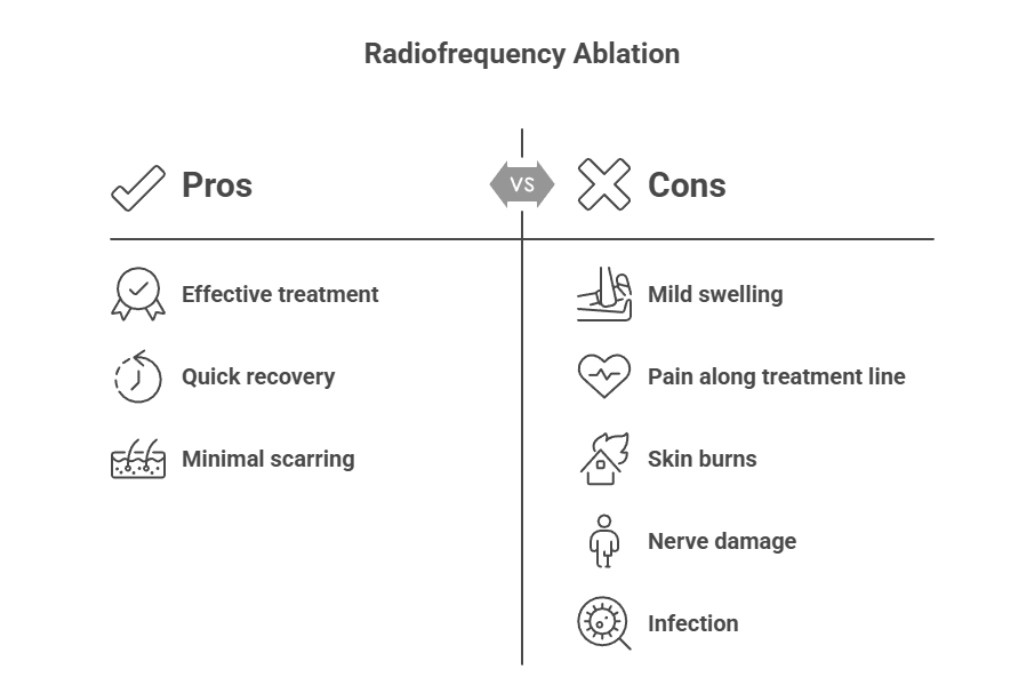
- Minimally invasive: no stitches and no hospitalisation.
- Quick recovery: The majority of individuals resume their regular functioning in 24-48 hours.
- High success rates: More than 95 per cent success rate five years following the therapy.
- No scars visible: a pinhole mark is left.
- Rapid relief: The improvement of symptoms can be observed in most patients within several days.
- Low-risk: A small number of complications under the influence of a skilled specialist.
- Maintains healthy veins: Only the veins affected are treated.
Radiofrequency Ablation Recovery Time
The radiofrequency ablation varicose veins recovery time is typically fast. The majority of the population walks right after the process and goes to work in less than one or two days. Mild bruising or tightness can also take place over a couple of days, and this is perfectly normal.
In fact, it is recommended that one should not exert himself/herself but rather walk slowly to keep blood in motion and enhance healing. But intense exercise after radiofrequency ablation are to be avoided in the course of two weeks.
Radiofrequency Ablation Side Effects and Complications
Even though RFA varicose veins are safe, there are a number of temporary side effects that may manifest. These include:
- Mild swelling or bruising
- Pain along the line of treatment.
- Pain or cramped sensation in the leg.
- Slight skin discolouration
What are the risks and side effects of radiofrequency ablation that are less common? Radiofrequency ablation varicose veins complications may include:
- Superficial thrombophlebitis (inflammation of superficial veins)
- Skin burns (rare with modern techniques)
- Nerve damage causing temporary numbness or tingling
- Deep vein thrombosis (DVT) – extremely rare
- Infection at the insertion site
Precision and technique are of great importance in patient safety. He is qualified with advanced training in University Hospital Zurich and AIIMS New Delhi, which means that every case is given a personalised and expert treatment.
Selecting the Right Doctor
One should select a competent physician to achieve the best outcomes. Dr Arvind Nanda, Senior Consultant, Amrita Hospital and Nanda Hospital in Faridabad, has completed many successful Radiofrequency ablation procedure for varicose veins.
His credentials include:
- MBBS, D.M.R.E., and MD of Sri Ramachandra Medical College, Chennai.
- Past experience with AIIMS, New Delhi.
- Neuroradiology University Hospital, Zurich Advanced Training.
- Various innovation and clinical excellence awards.
Having a career of more than 20 years in interventional radiology, Dr Nanda treats simple and complicated cases of vascularity with attentiveness and professionalism.
Conclusion
Radiofrequency ablation has become a significant development in the treatment of varicose veins. It is associated with long-term pain relief, minimum painful experiences, and fast recovery in contrast to conventional surgery. And, knowing how the process itself works and what to anticipate, you can make effective steps towards getting your legs in better shape.
In case of such symptoms as heaviness, swelling, or clearly visible veins, refer to a reliable expert, such as Dr Arvind Nanda. With proper treatment, you will be able to have a better flow of blood, painless legs and increased self-confidence.
Contact Information
- Amrita Hospital, RPS City, Sector 88, Faridabad, Haryana, 121002.
- Nanda Nursing Home-House No. 612, Maharishi Parashar Marg, Sector 15, Faridabad, Haryana 121007.
- Phone: +91 9650716644
- Email: drarvindnanda@gmail.com
Related Posts
Understanding Varicose Veins: Early Stages, Specialists, and Treatment Options
Varicose veins are a complication of the veins that many…

Stroke: Symptoms and facts
What is Stroke? Simply, a Stroke is a “brain attack”,…
Ruptured Brain Aneurysm: Symptoms Causes And Treatment
Ruptured brain aneurysm is one of such medical situation when…