
Interventional Radiology: Advanced Care Without Surgery
Medical treatment does not always mean big surgery. Many issues within the body can now be addressed without major incisions or extended hospitalisation. The contemporary approach to using soothing techniques by doctors works internally. Such techniques make individuals recover more quickly and experience less pain.
Interventional radiology is one of such contemporary techniques. It assists physicians in finding solutions to issues using scans and mini tools. The aim is to reduce care, promote quicker healing, and provide greater ease for the patient.
Understanding These Procedures
These procedures use pictures taken from machines, such as X-rays or scans. These pictures clearly show the inside of the body. The doctor looks at these images while working.
Instead of opening the body, the doctor makes a tiny opening in the skin. Through this, thin tubes or needles are passed to reach the problem area. The doctor treats the issue from the inside without touching healthy parts.
Because the opening is small, the body heals faster. Pain is less. The risk is also lower compared to open surgery.
Why Many Patients Prefer This Type of Treatment
Many people feel scared when they hear the word surgery. Surgery often means stitches, pain, and prolonged bed rest. These procedures are different.
They cause very little pain.
They do not need significant cuts.
They reduce bleeding.
They help patients recover faster.
Most patients can sit up and walk soon after treatment. Many go home the same day. This makes life easier, especially for older people.
Common Problems Treated Using These Methods
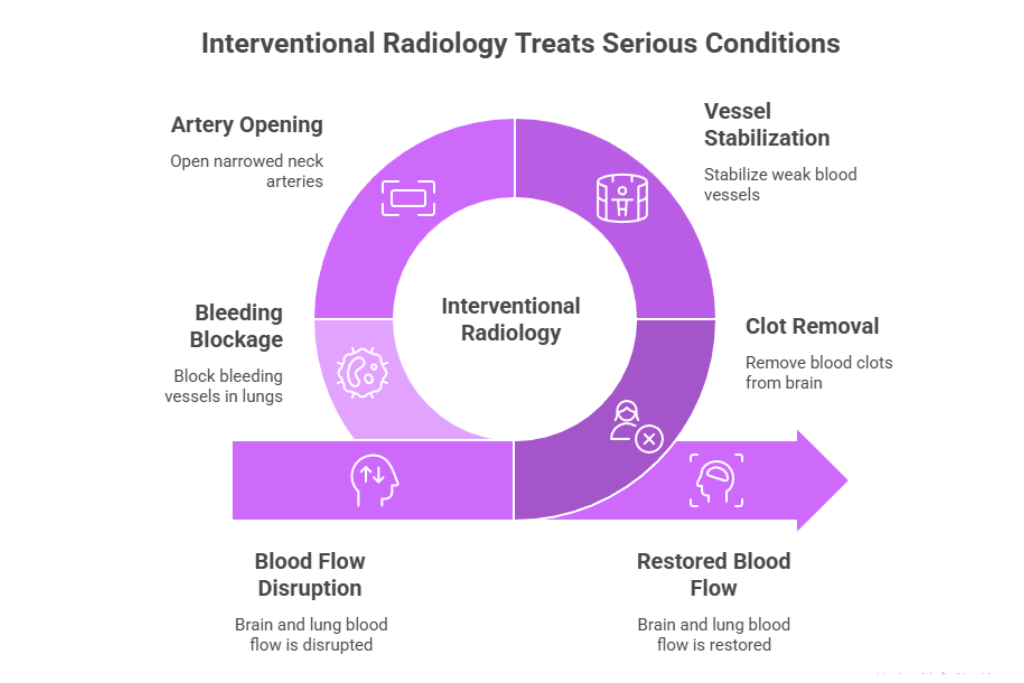
These procedures are used for many health issues. Below are some common ones.
Stroke Care
A stroke happens when blood flow to the brain stops or leaks. Fast treatment is very important. Small tools are used to remove clots or stop bleeding. This can save lives and protect brain function.
Brain Aneurysm
A weak blood vessel in the brain can rupture if left untreated. Doctors place tiny coils or supports to stabilise the vessel. This is done without opening the skull.
Neck Artery Narrowing
Narrowing of the neck arteries reduces blood supply to the brain. A narrow tube is used to open the artery to enhance flow.
Lung Bleeding
Bleeding from the lungs can be serious. Doctors can block the bleeding vessel using tiny materials. Relief is often quick.
Who Performs These Procedures
Trained doctors must do these treatments with long experience. Skill and calm thinking are very important.
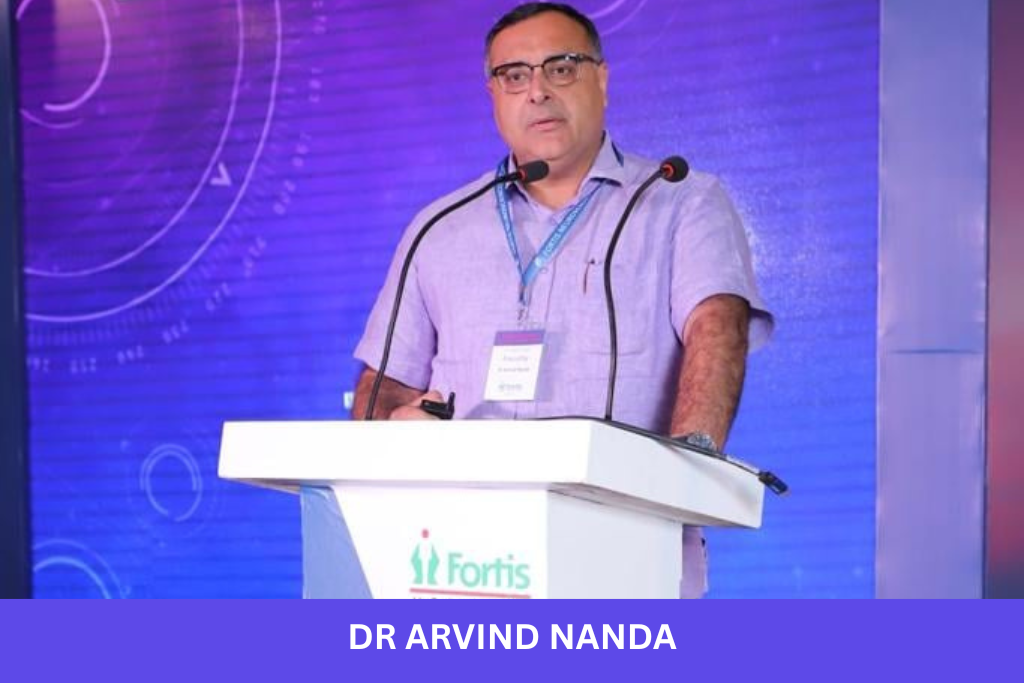
Dr Arvind Nanda is one such doctor known for his work in this field.
About Dr Arvind Nanda
Dr Arvind Nanda has over 20 years of experience treating conditions of the brain and blood vessels. He has worked in some of the best hospitals in India and abroad.
He studied medicine and radiology at Sri Ramachandra Medical College, Chennai. He later worked at AIIMS, New Delhi. He also trained in Switzerland, France, the USA, and the UK.
Over the years, he has treated many complex cases. His work includes stroke care, brain bleeding, aneurysm treatment, and vascular block problems.
Patients trust him for his clear advice and steady care.
Areas He Treats Regularly
Dr Nanda treats many conditions, including:
- Acute stroke
- Brain hemorrhage
- Brain aneurysm
- Narrow neck arteries
- Lung bleeding
- Liver tumors
- Spine pain and weak bones
- Blood vessel malformations
Each case is studied carefully before treatment.
Importance of Experience in Such Care
These procedures need correct timing and planning. A small mistake can cause harm. That is why experience matters a lot.
Dr Nanda has been handling thousands of cases. This is because of his long experience, which helps him make the right, safe decisions for every patient.
This will provide patients with confidence and peace of mind.
Safety During Treatment
The first step is always towards safety. The patient also undergoes tests and scans before treatment. These assist the physician in strategising each action.
The physician observes real-time images on the screen during the process. This helps guide the tools within the body.
Patients are placed under observation after treatment. The majority of them feel better in a very short period.
Where Patients Can Consult Dr Arvind Nanda
Dr Arvind Nanda is available at:
- Amrita Hospital, Sector 88, Faridabad
- Nanda Nursing Home, Sector 15, Faridabad
Patients can contact the clinic to fix an appointment.
When This Treatment Is Suggested
Doctors suggest this care when open surgery is risky. It is also chosen when quick recovery is important.
Other doctors refer many patients after scans show that this method is suitable.
The growth of interventional radiology has helped many people avoid major surgery and return to normal life faster.
Frequently Asked Questions (FAQs)
Q1. Is this treatment painful?
Pain is very mild. Most patients feel only slight discomfort.
Q2. How long does recovery take?
Many patients recover in a few days. Some go home the same day.
Q3. Is this safe for elderly patients?
Yes. It is often safer than open surgery for older people.
Q4. Do patients need full anaesthesia?
Most procedures need only local or light anaesthesia.
Q5. How can one know if this treatment is right?
A doctor visit and scans help decide the best option.
Related Posts
Endovascular Treatment for Acute Ischemic Stroke
An ischemic stroke occurs when there is a disturbance in…
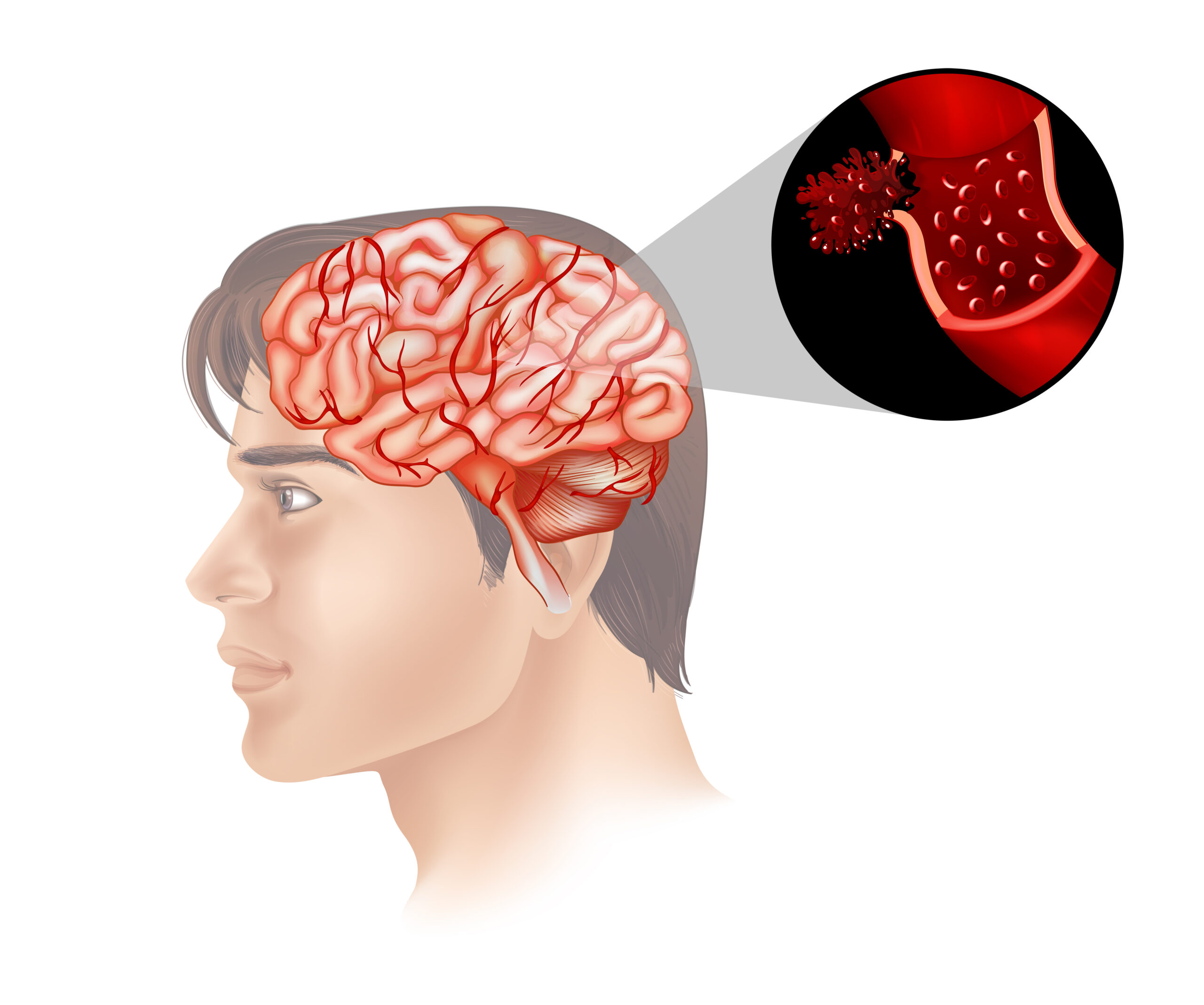
Ruptured Brain Aneurysm: Symptoms Causes And Treatment
Ruptured brain aneurysm is one of such medical situation when…
Radiofrequency Ablation: Fast Relief for Varicose Veins
Varicose veins are a widespread problem that affects millions of…